Community-governed AI
Bringing AI back under community control
Artificial intelligence is becoming civic infrastructure. The Acequia Protocol applies a centuries-old commons governance model to AI for community-led stewardship.
Artificial intelligence is becoming civic infrastructure. The Acequia Protocol applies a centuries-old commons governance model to AI for community-led stewardship.
The model
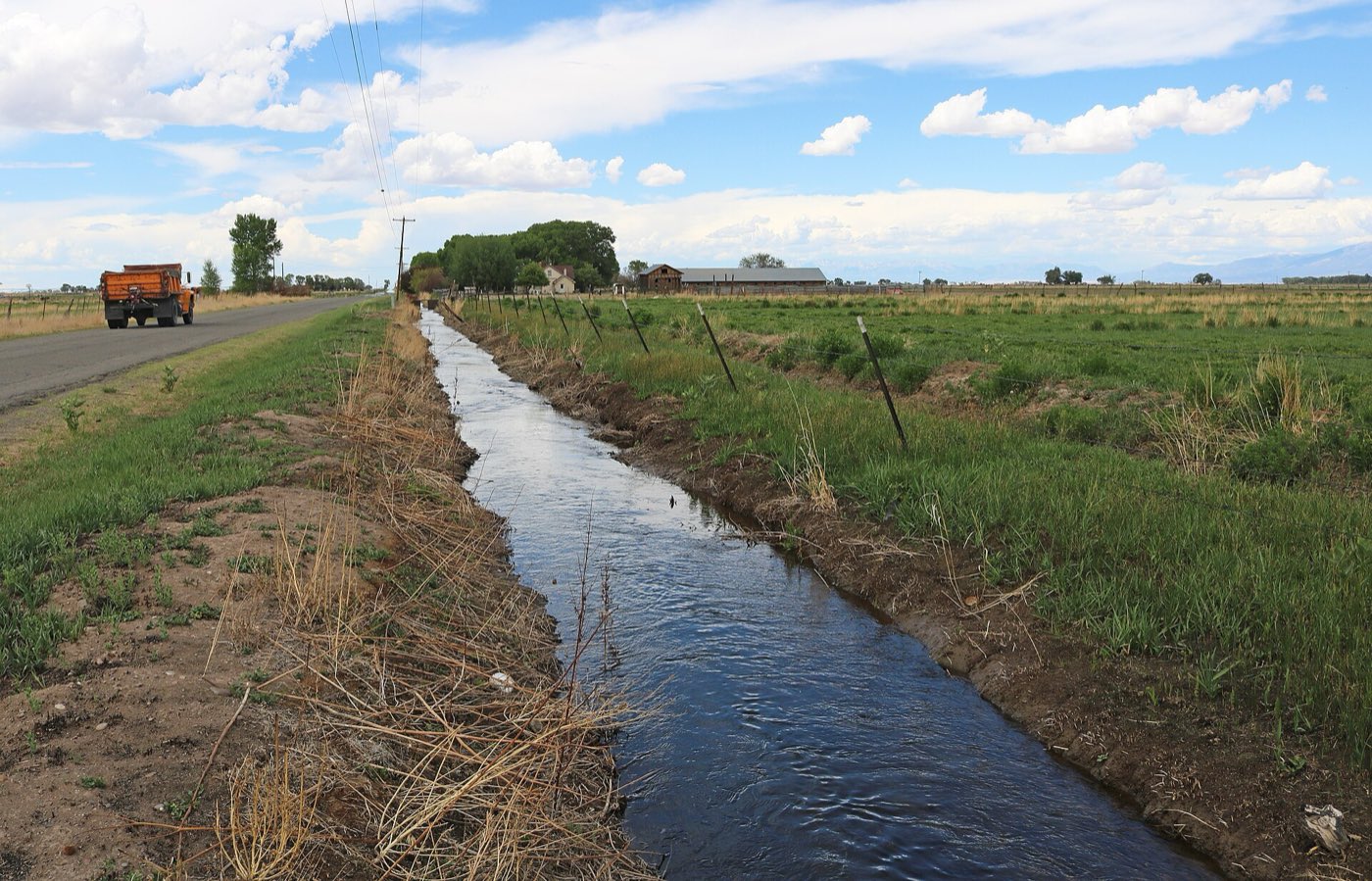
An acequia is not a metaphor. It is a working irrigation system and a form of self-governance that has operated in New Mexico and southern Colorado for centuries. A community digs and maintains a ditch (the acequia madre) that diverts water from a river. The people who rely on that water, called parciantes, own the system together. No corporation runs the ditch. No single household controls the gate.
Water is a scarce shared resource. The acequia answers a practical question: how do neighbors share it fairly, accountably, and year after year without handing control to an outsider?
Governance is built into the infrastructure. The headgate is the physical point where water enters the ditch. Whoever can move that gate controls the flow, so acequia communities treat it as a shared instrument, not a private lever. The comisión (elected commissioners) sets the rules. The mayordomo operates the ditch day to day and enforces those rules in the field. Each parciante receives a defined share. When the river runs short, everyone cuts back together.
Every spring, the community performs la limpia, clearing the ditch and reviewing the season ahead. Allocation is witnessed, disputes are settled against a shared record, and the system survives because the people who depend on it are the ones who govern it.
Stewardship
Today, AI is landing in communities through rented services from industrial data centers. They put pressure on water and power grids with little accountability. The Acequia Protocol puts the steward role where it belongs: with institutions the public already trusts. Public libraries host local systems on their own hardware. A community council sets the rules. The system must follow them, and the record is open.
The question is not where the warehouse sits. It is who holds authority over the system.
Local library nodes also use a fraction of the electricity and water that industrial-scale facilities require. That matters when communities are weighing massive data center proposals. But the deeper issue is stewardship: when a town has a working, community-governed alternative, it is harder for unaccountable operators to present corporate AI as the only option.
Illustrative comparison. Library stewardship is about authority and accountability, not just geography.
How it works
A local council made up of community members sets the rules for how the AI can be used, the same way an acequia community sets water rules. The system must follow those rules, and everything important is recorded so the community can always check that it's being followed.
Human decisions become enforceable constraints, not suggestions buried in a terms-of-service page
Residents and library stakeholders decide privacy, allowed uses, and limits in the open.
Policies are written as clear, checkable rules, not vague corporate promises.
Before any consequential action, the system checks the rules. No silent exceptions.
A growing public record lets the community confirm the system did what it was supposed to.
Real power
This gives communities real power in two ways: a private option for everyday life, and a stronger voice when industrial projects come to town.
Medical questions, taxes, schoolwork answered on community-owned computers, without feeding personal information into corporate systems you can't inspect.
When communities have their own working alternative, they're in a much better position to push back against unwanted industrial-scale data centers in their towns.
The library holds both: trusted help for residents and civic leverage over outside operators
Libraries extended
Public libraries did not stop at lending books. They became community computer labs when the internet arrived, giving people free access to tools they could not afford at home. Many now run lending libraries for shared resources: hotspots, laptops, tools, seeds, and media. The Acequia Protocol is the next extension of that same stewardship role: governed local AI, owned by the community and hosted where people already go for help.
Free access to knowledge, privacy for what you borrow, governance by a local board accountable to the public.
Public terminals, internet access, and digital literacy for patrons who had no connection at home.
Hotspots, devices, tools, and other commons goods lent the same way books always were.
Community-owned intelligence on library hardware, with open rules and a record anyone can verify.
Starting now
We're starting small and real: one library, one working system, one accountable community. Because the best way to make sure AI serves people is to let the people actually govern it.
The technical foundation is built: community policy, enforceable rules, and an open audit record. The next step is the first library deployment in advisory mode first, so the institution's existing authority stays in place while the community builds trust in the record. Read the full technical specification.
If you represent a public library, civic board, or community group interested in a pilot, or if you want to learn more about bringing governed local AI to your town, we'd like to hear from you.
Start a conversationAcequia Protocol · A Caplifi stewardship project